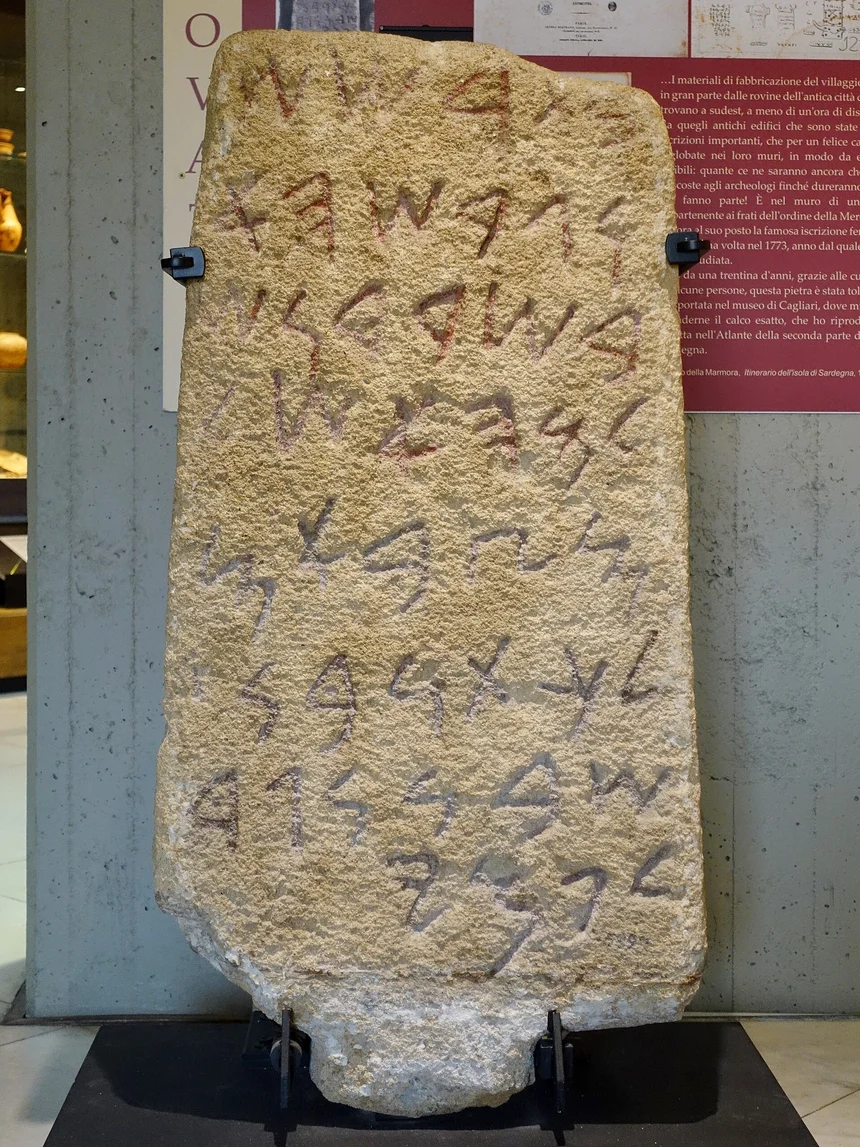
Thamudic B
(7th – 1st centuries BCE)
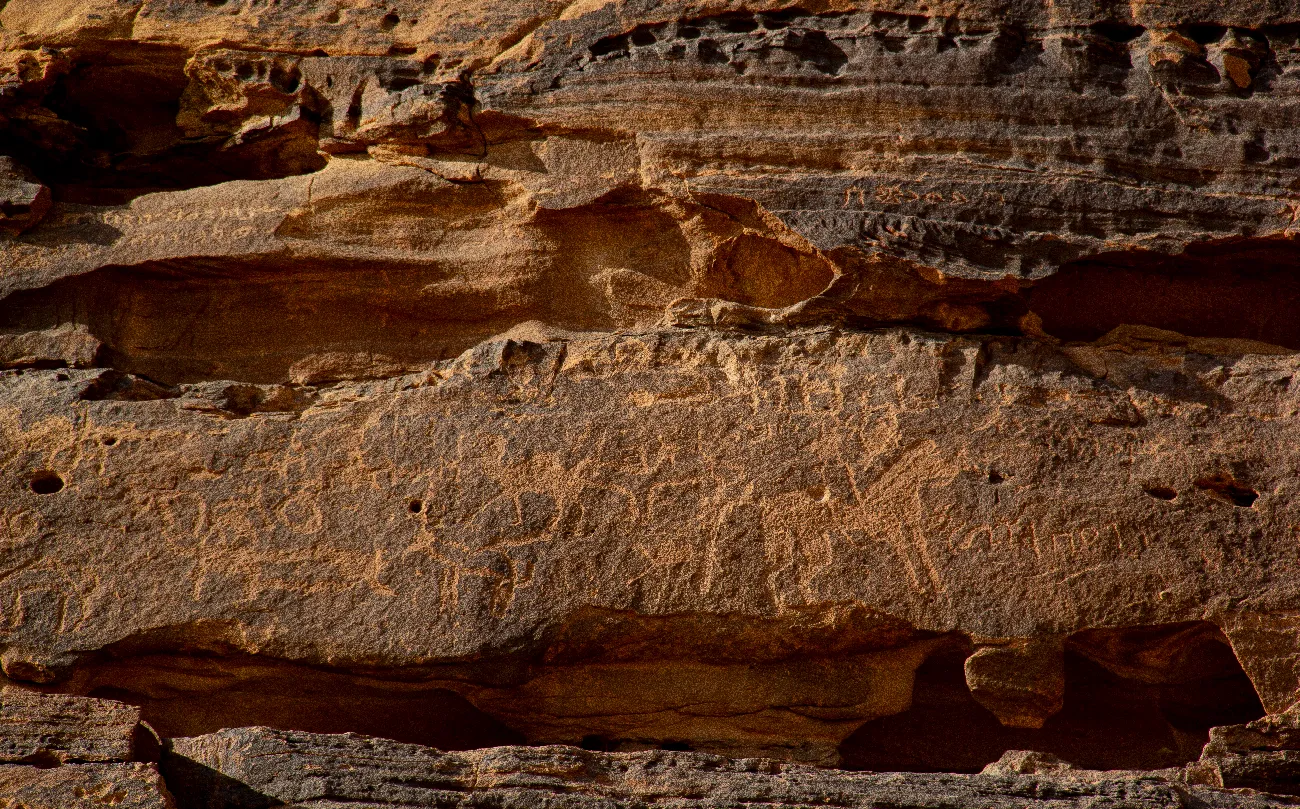
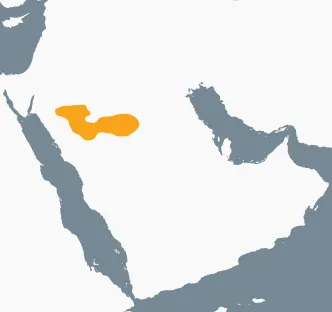
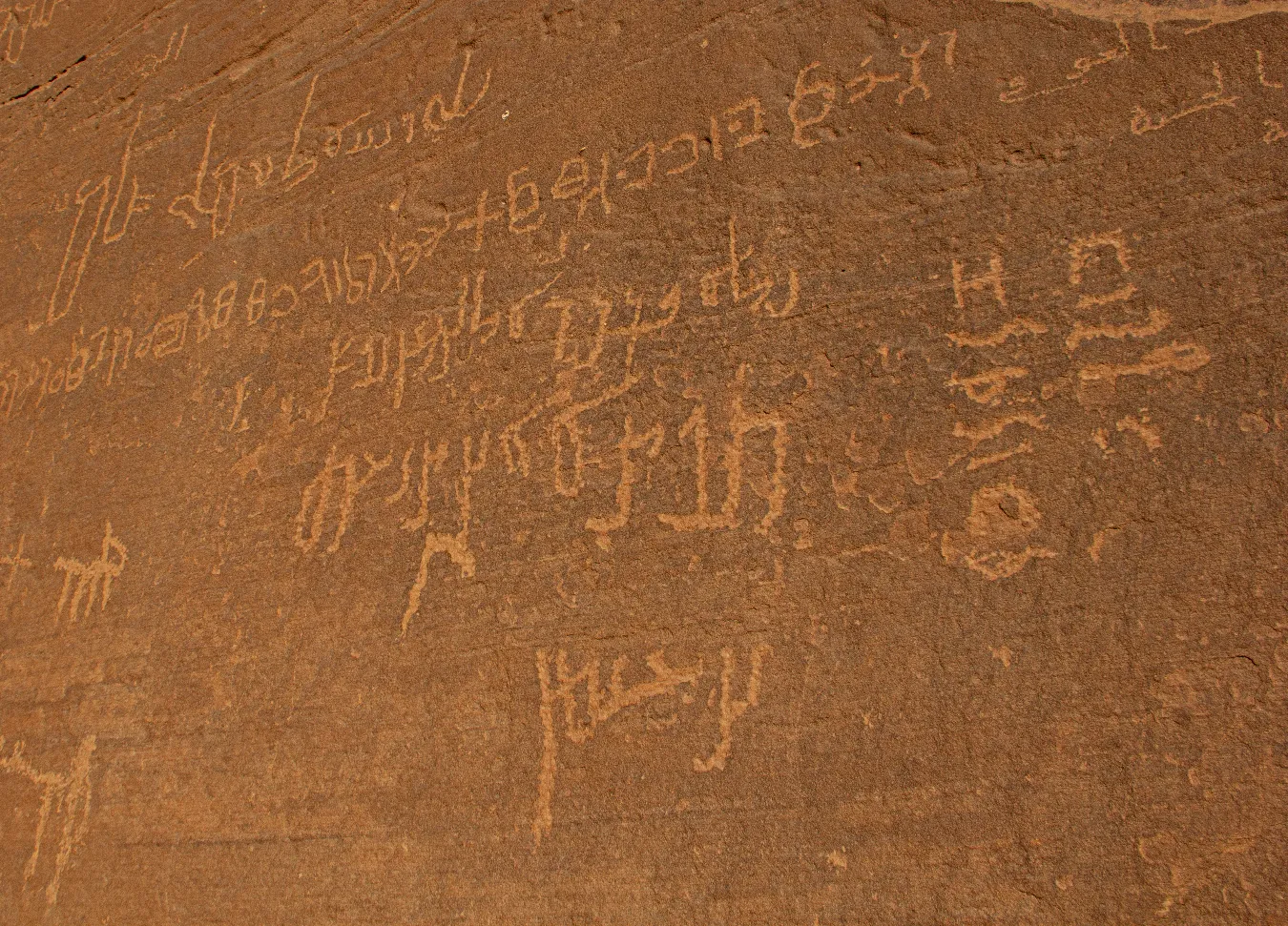
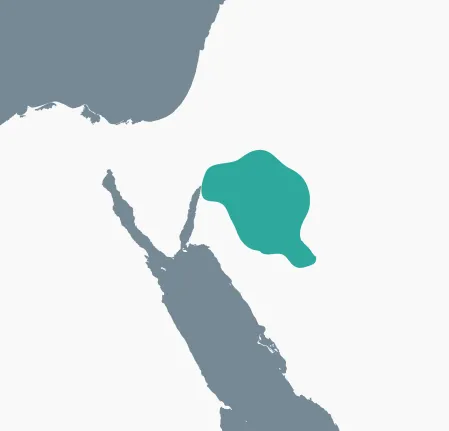
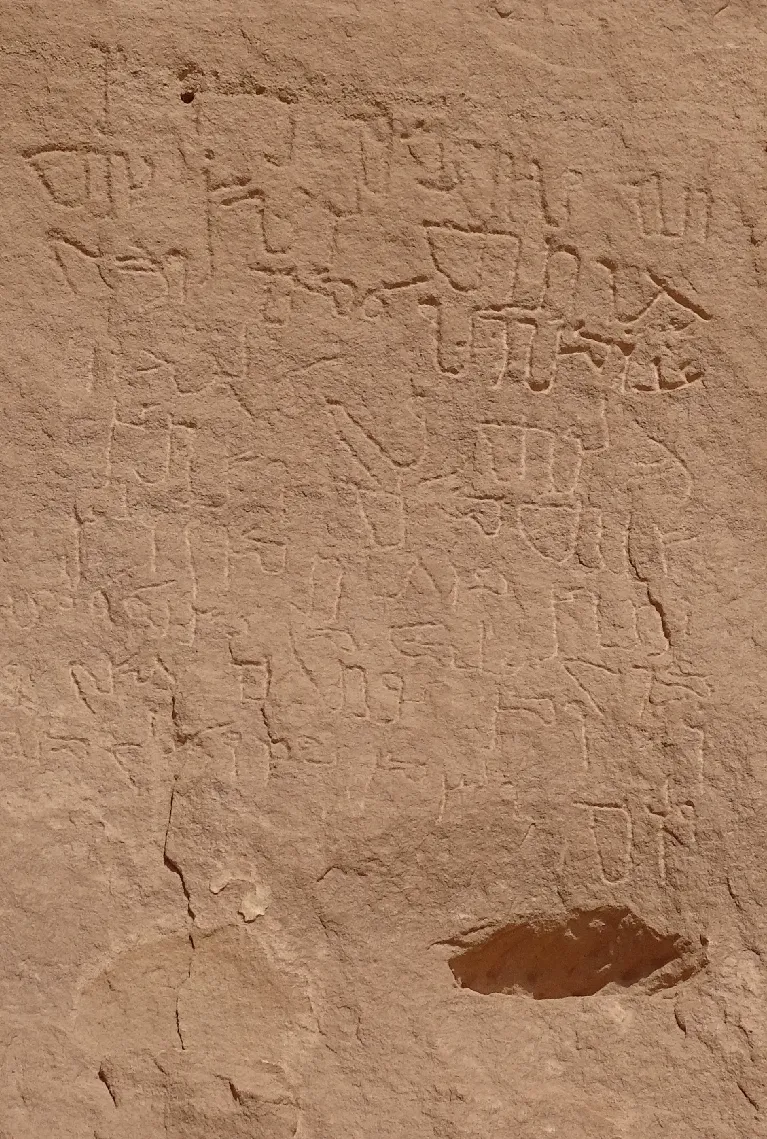
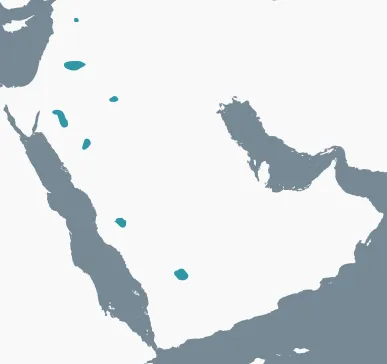
Thamudic B was written by people with a nomadic lifestyle, mostly in the northern part of the Arabian Peninsula. There are some indications that the script was already used in the sixth century BCE, but we do not know exactly when people started or stopped writing in this script.
Thamudic B is one of the Ancient North Arabian scripts. This script is predominantly attested in the desert region extending between AlUla, Taymāʾ, and Ḥāʾil. The limited evidence concerning its chronology includes depictions of Mesopotamian chariots accompanying certain inscriptions, possible references to the period of Nabonidus' occupation of Taymāʾ (552–543 BCE), and a prayer addressed to the Nabataean deity Dushara.
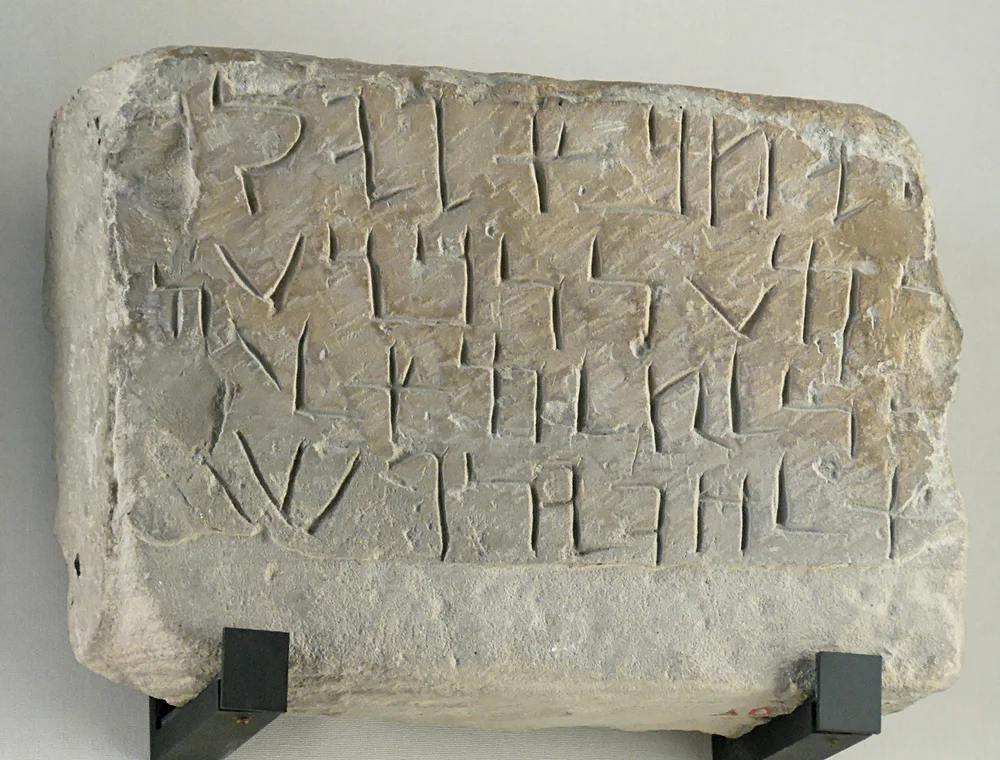
Dadanitic
(7th – 1st centuries BCE)
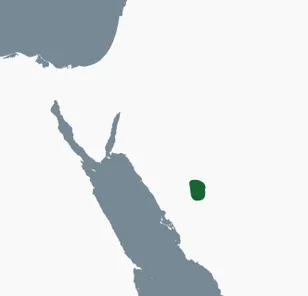
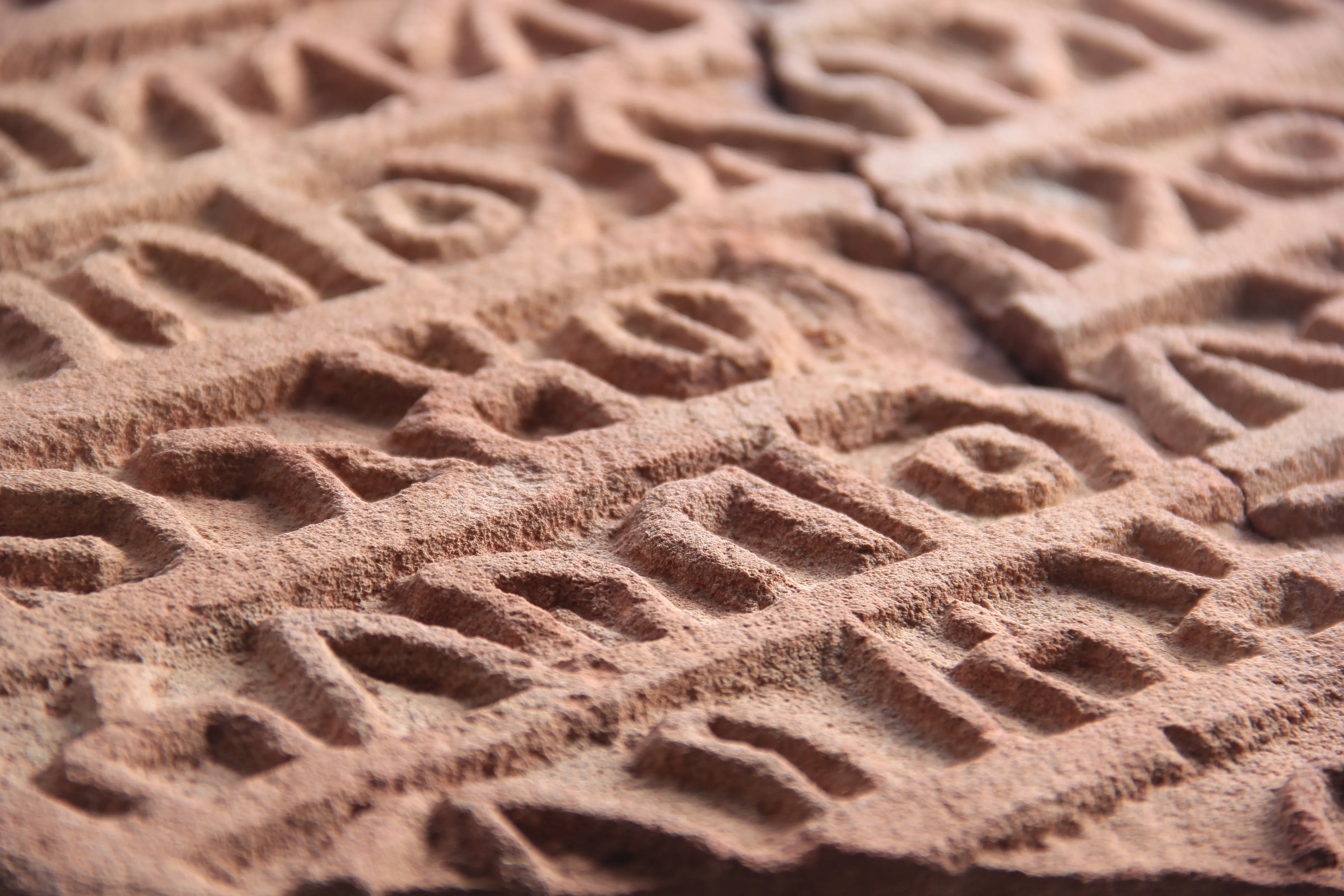
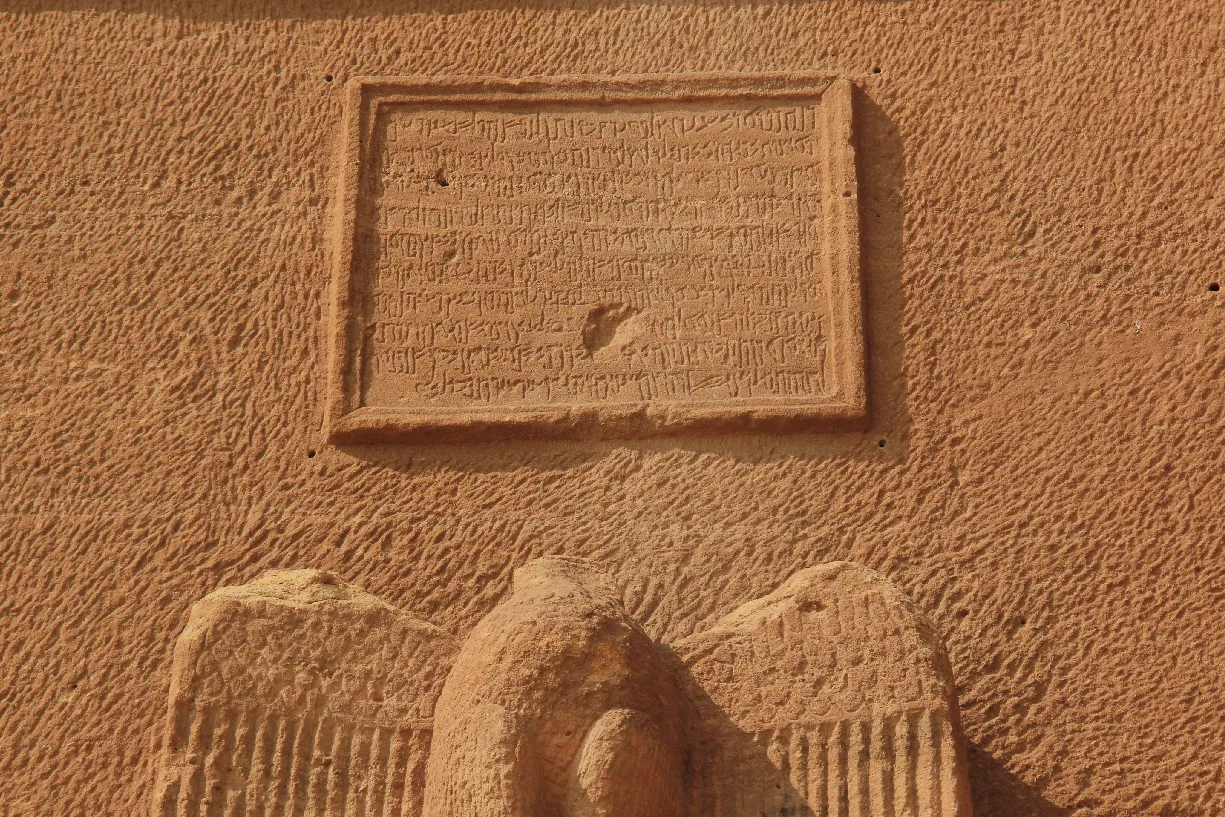
The Dadanitic script is mostly found inside and around the oasis of AlUla, ancient Dadan, where it was used from the 7th century until the 1st century BCE.
Dadanitic was used under two consecutive kingdoms that ruled ancient Dadan, the first ruled by the ‘kings of Dadan,’ followed by the ‘kings of Liḥyan.’ The Liḥyanites seem to have been in power from the middle of the first millennium BCE until the first half of the first century BCE.
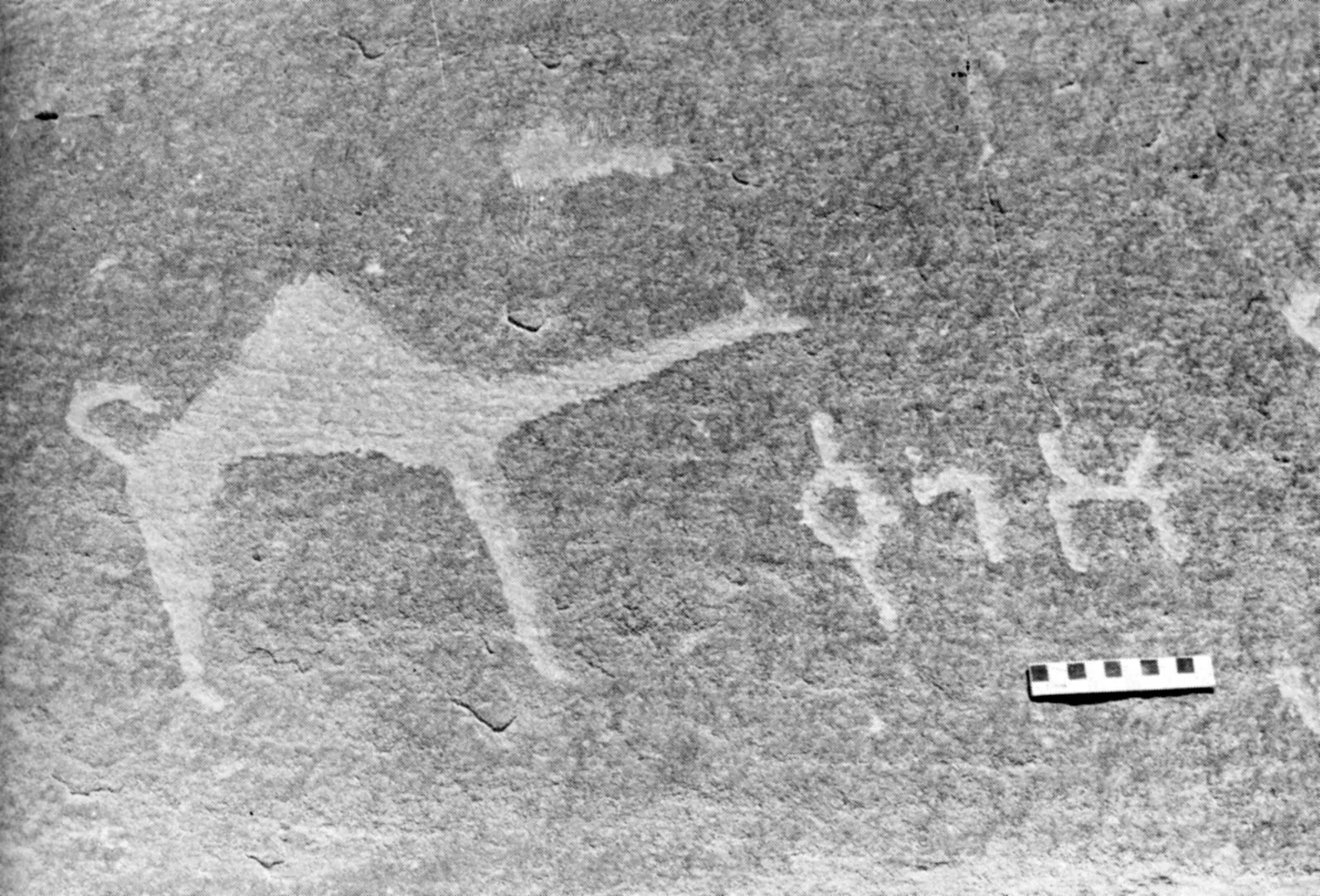
Thamudic D
(3rd – 5th centuries CE)
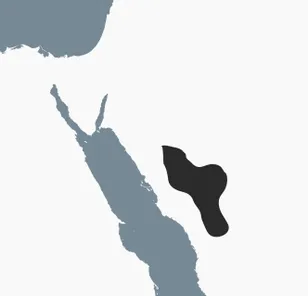
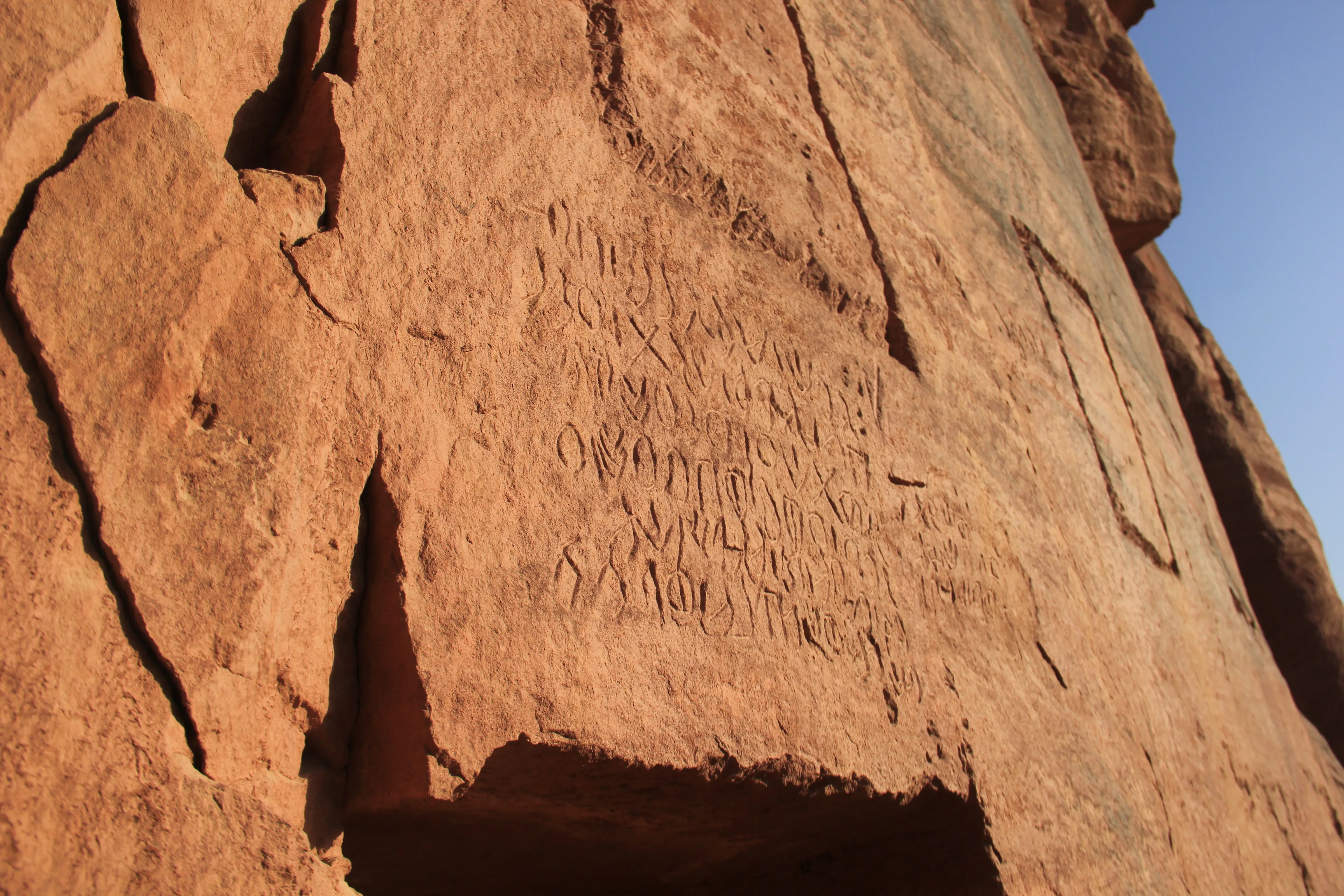
Thamudic D is an Ancient North Arabian script, which was probably used by both nomads and settled communities. The script is found across the northern half of the Arabian Peninsula into the Negev. It was in use in the third and fifth centuries AD, but it is unclear when its use started or ended.
More specifically, Thamudic D inscriptions are found in the area extending from the Negev to the region of Medina. The available anchors for dating the use of Thamudic D are limited and rely on one dated Thamudic D inscription from the second half of the third century CE, and the existence of Nabataeo-Arabic/Thamudic D bilingual inscriptions suggests that it remained in use until around the fifth century CE. The Thamudic D script is still not fully deciphered, but great progress in understanding the corpus was made in 2025 by Ahmad Al-Jallad.
Safaitic
(1st century BCE – 4th century CE)
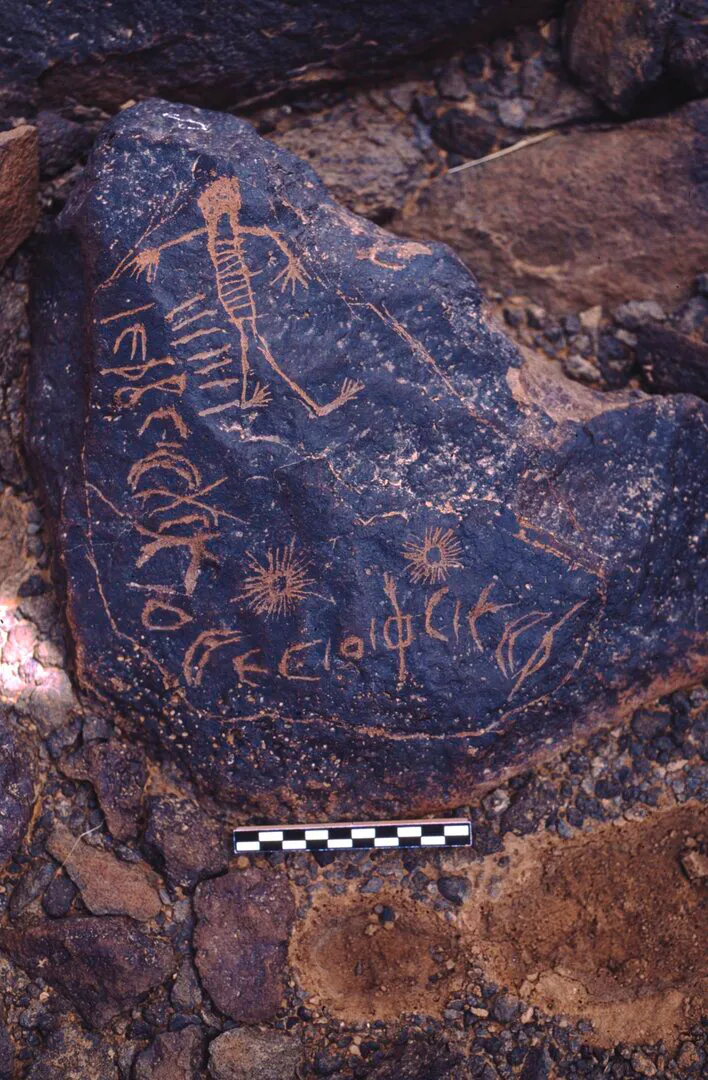
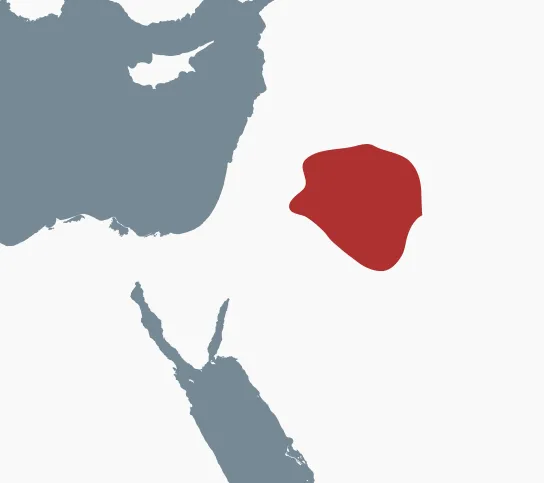
Safaitic is another Ancient North Arabian script associated with nomadic people. Safaitic is mainly found in the basalt desert (Ḥarrah) of Southern Syria, Jordan and northern Saudi Arabia, but it is somtimes found AlUla. Safaitic is generally dated to the 4th century BCE until the 4th century CE.
As for the other Ancient North Arabian script varieties, is it unclear when the Safaitic writing tradition exactly started and ended. The dating of the Safaitic inscriptions is based the few datable inscriptions, which can be dated to the Nabataean and Roman period. The existence of a text that appears to invoke Jesus suggests that it may still have been in use in the fourth century. The language of the Safaitic inscriptions is a form of Old Arabic.
Hismaic
(1st century BCE – 3rd century CE)
Hismaic is an Ancient North Arabian script which was predominantly used by nomads. Most of the Hismaic inscriptions are found in the Ḥismā desert extending from southern Jordan to the region of Tabūk in northern Saudi Arabia. The use of the script is generally dated between the second century BCE and the 3rd century CE.
The authors of the Hismaic inscriptions seem to have been neighbours and contemporaries of the Nabataeans. Because we have more precise knowledge of the history of the Nabataeans, their association helps to date the Hismaic texts. The names used in Hismaic, the identities of the deities they call on, and the existence of several Hismaic/Nabataean bilingual inscriptions all help to date the use of Hismaic to the period the second century BCE and the third century CE. There also seems to have been considerable contact between writers of Hismaic and of Safaitic. There are Safaito-Hismaic mixed inscriptions. The langage of the Hismaic texts
Nabataean
(2nd century BCE– 3rd century CE)
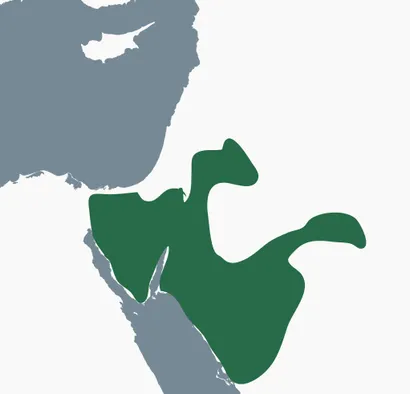
Nabataean is a variety of Aramaic used by the Nabataeans. The earliest Nabataean inscriptions date back to the second century BCE. The Nabataean kingdom lasted until 106 CE, when the Romans turned it into Provincia Arabia, but Nabataean continued to be written until the mid-3rd century CE.
The Nabataeans had their capital in Petra. They seem to have been present in Ḥegrā, just north of ancient Dadan/modern-day AlUla, as early as the second century BCE, but only gained control over the region in the second half of the first century BCE. The Nabataean script derives from Imperial Aramaic, which was the main script and language of international communication at the time, similar to English today. After the third century CE, Nabataean continued to develop until it eventually gives us the Arabic script.
Nabataeo-Arabic
and Paleo-Arabic
(3rd century– 6th century CE)
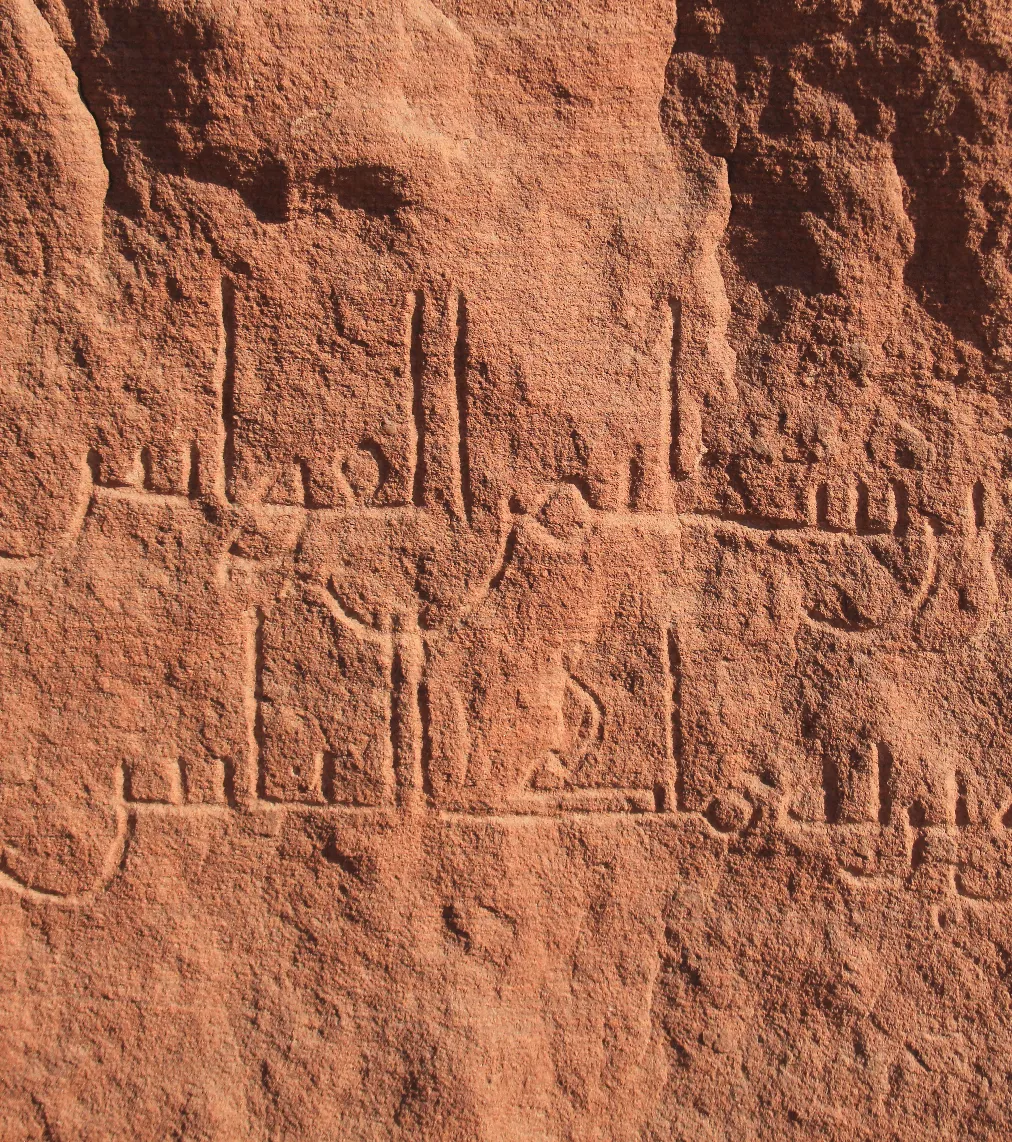
The term “Nabataeo-Arabic” refers to a later form of the Nabataean script that developed from the second half of the third century CE and represents a transitional phase towards the Arabic script. The process of evolution of the Nabataean script becomes more pronounced from the fifth century CE onwards, leading to the emergence of the earliest form of the Arabic script, commonly referred to as “Paleo-Arabic.” To date, more than a dozen Paleo-Arabic inscriptions dated to the sixth century CE Nabataeo-Arabic inscriptions express a mixture of Aramaic and Arabic language. In Paleo-Arabic inscriptions, Arabic had completely replaced Aramaic as the language of the inscriptions.
Arabic
(7th century – now)
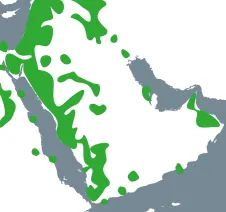
The Arabic script developed from the Nabataean script between the 3rd and 7th centuries CE. This development is quite well-attested in the inscriptions and goes through two distinct developmental stages before becoming the Arabic script that is still recognizable today: Nabataeo-Arabic (3rd-5th centuries CE) and Paleo-Arabic (5th-7th centuries CE).
The earliest known Arabic inscriptions from the Islamic period date to 643–645 CE, during the caliphate of ʿUmar, with the possible existence of an inscription attributed to the caliphate of Abū Bakr (632–634 CE). In the AlUla region, earlier Arabic inscriptions mainly date to eighth and tenth centuries CE. After this period Arabic inscriptions become less common until the early 20th century. Especially in the second half of the 20th century modern Arabic many people start leaving inscriptions in the landscape.
Sabaic
(8th century BCE – 6th century CE)
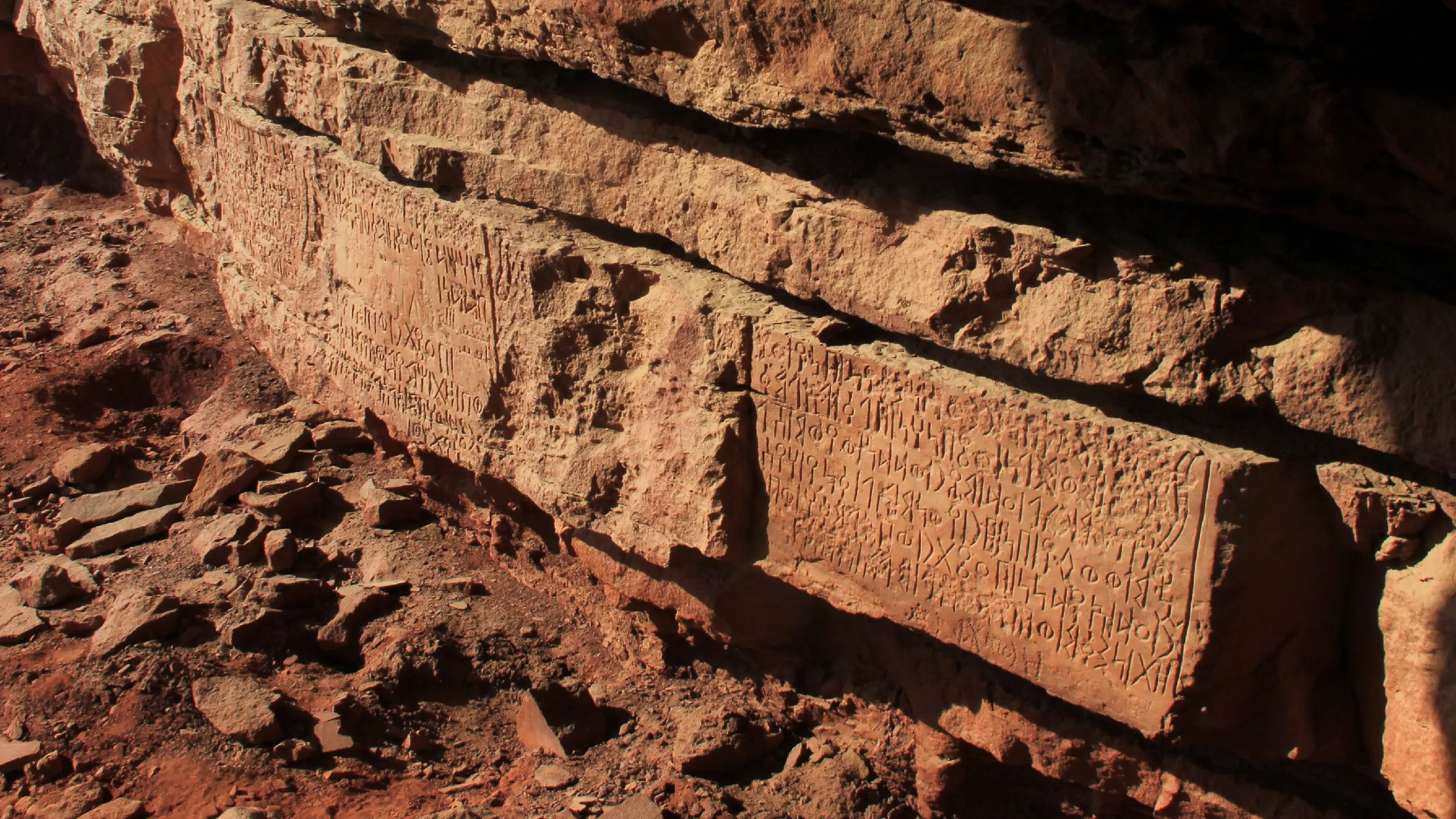
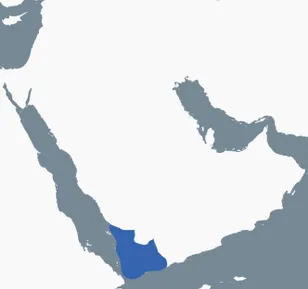
Sabaic gets its name from thewas spoken by the Sabaeans. The heartland of the Sabaean kingdom (the kingdom of Sheba in the Bible) was in the lowlands of Maʿrib and Ṣirwāḥ, in modern-day Yemen. Sabaic was written from the 8th century BCE to the 6th century CE.
Sabaic was written in the Ancient South Arabian script but represents a distinct language from Minaic. From the Sabaic inscriptions discovered in AlUla, it seems the Sabaeans were present in the oasis between the 8th and the 4th centuries BCE. The Sabaeans were especially powerful during the first half of the first millennium BCE, when they controlled the incense trade. The Sabaeans remain well known because of the fame of the Queen of Sheba (Bilqīs).
Minaic
(8th – 1st centuries BCE)
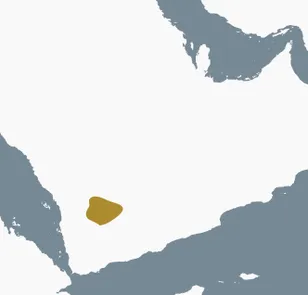
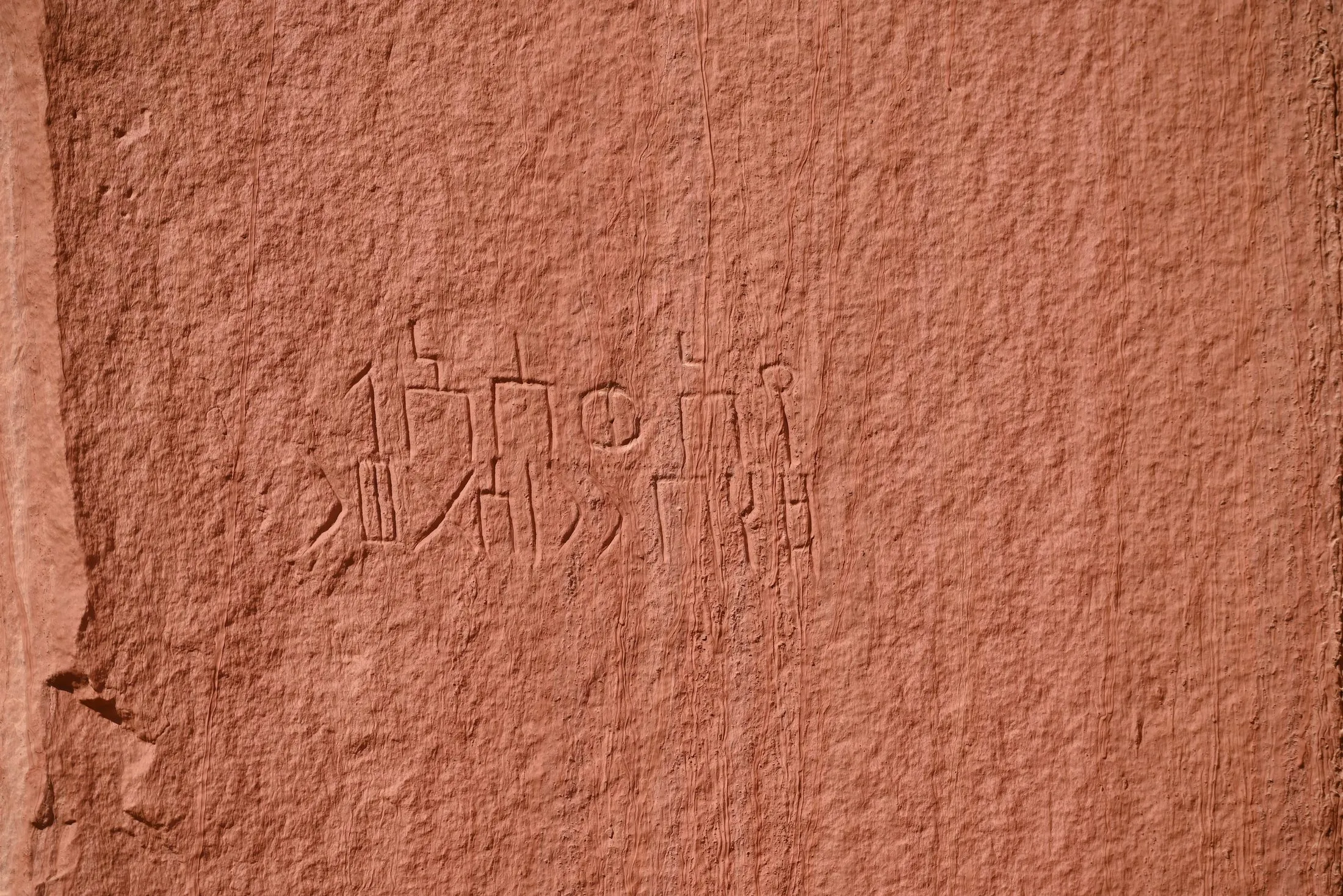
Minaic was written by the Minaeans, whose heartland was located in the South of the Arabian Peninsula, with Qarnā as the capital of the kingdom of Maʿīn. Minaic was written from the 8th until the first century BCE.
Minaic was written in the Ancient South Arabian script, but represents a different language than Sabaic. The Minaeans vied for control over the Frankincense trade with the Sabaeans. They started coming to ancient Dadan in the 6th–4th century BCE; by the 3rd century BCE they were well-established at the oasis with their own local institutional and communal organization.
Script and language
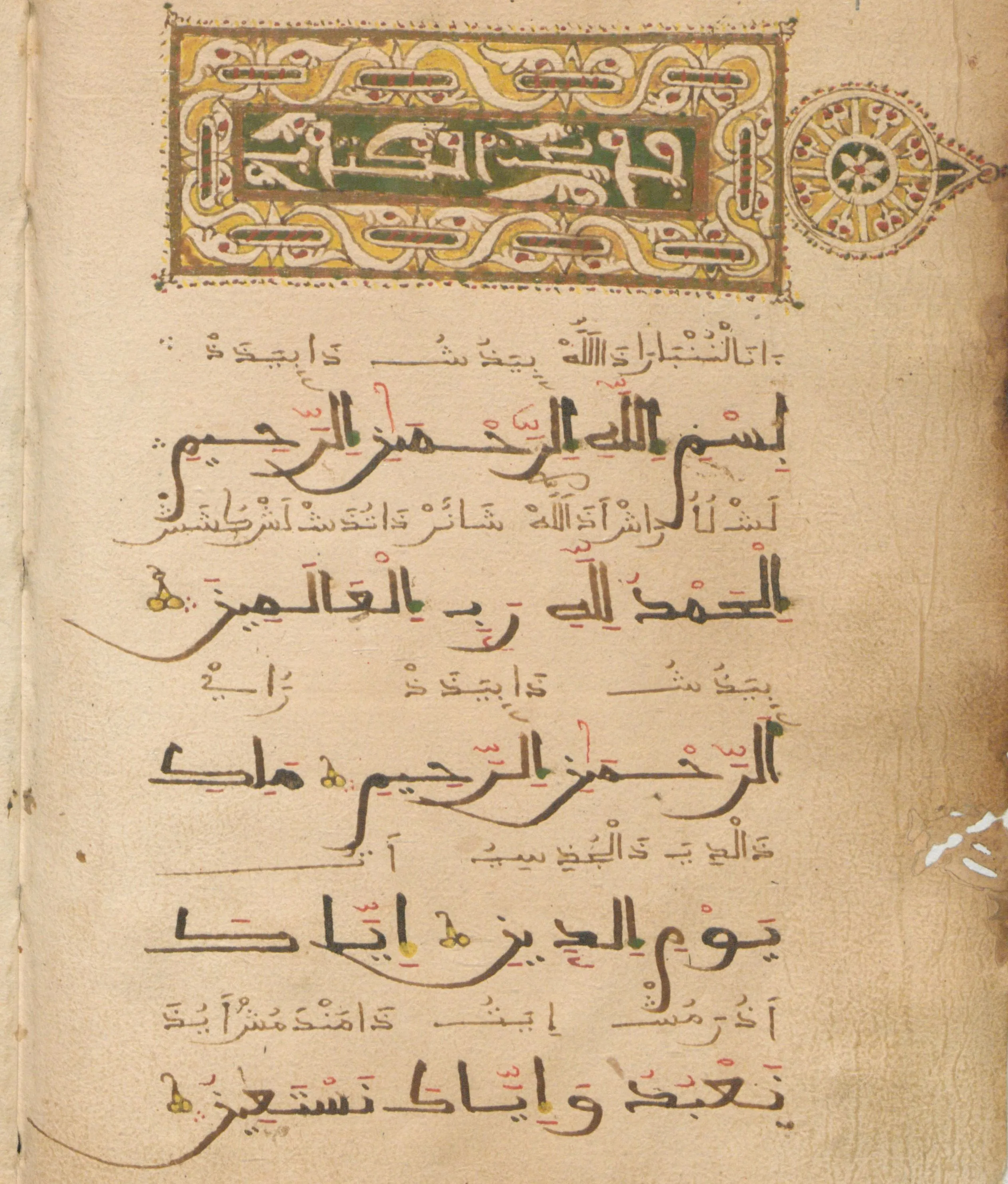
Aljamiado Quran RESC 25Misceláneo religioso : azoras coránicas y oraciones. http://simurg.csic.es/view/275116
We classify inscriptions based on their script, which is different than classifying inscriptions by their language, as script and language are two separate things. For example, the Arabic script is used to write Arabic and Farsi. In the past, it was even used to write Turkish. So, one script was used to write very different languages that do not even belong to the same language family.
In a similar way Sabaic and Minaic were both written in the Ancient South Arabian script, even though they are linguistically very different from one another.
What is an alphabet?
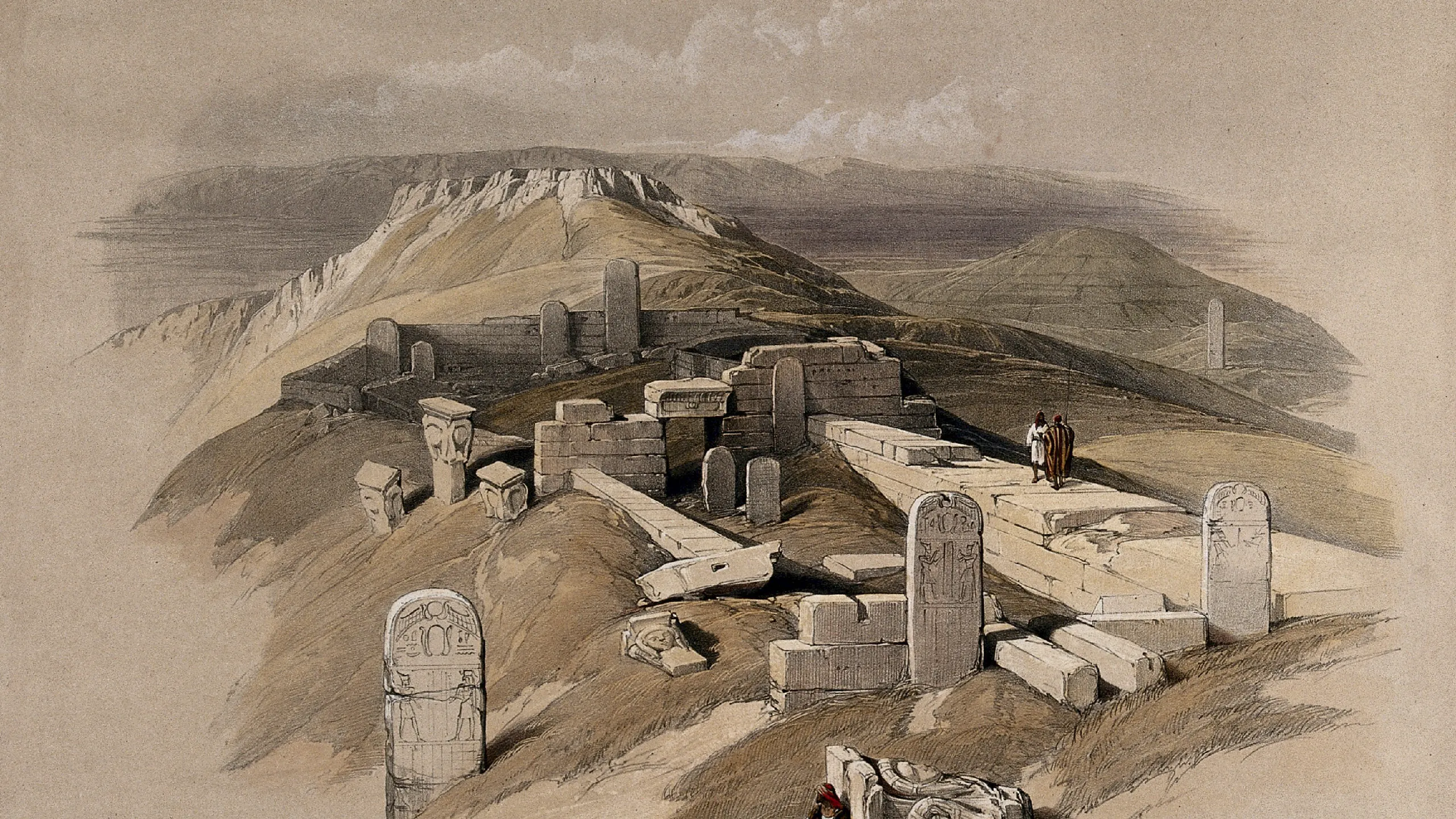
Egyptian ruins, known as Surabit el Khadim, on Gebel Garabe. Coloured lithograph by Louis Haghe after David Roberts, 1849. Wellcome Library, http://wellcomeimages.org
The inscriptions in AlUla are all written in alphabetic script types. In such scripts, each individual letter, or sign, is used to represent a single meaningful sound in the language it is used to write. Almost all alphabetic scripts currently in use descend from Proto-Sinaitic, including the Arabic and Latin script, both alphabetic scripts. Other script types can use single signs to represent complete words, such as Chinese, or to represent syllables, such as Japanese Hiragana and Katakana.
While writing was in use in West Asia and North Africa already in the fourth millennium BCE, alphabetic writing seems to have developed in the region in the second millennium BCE.
How did the alphabetic scripts develop?
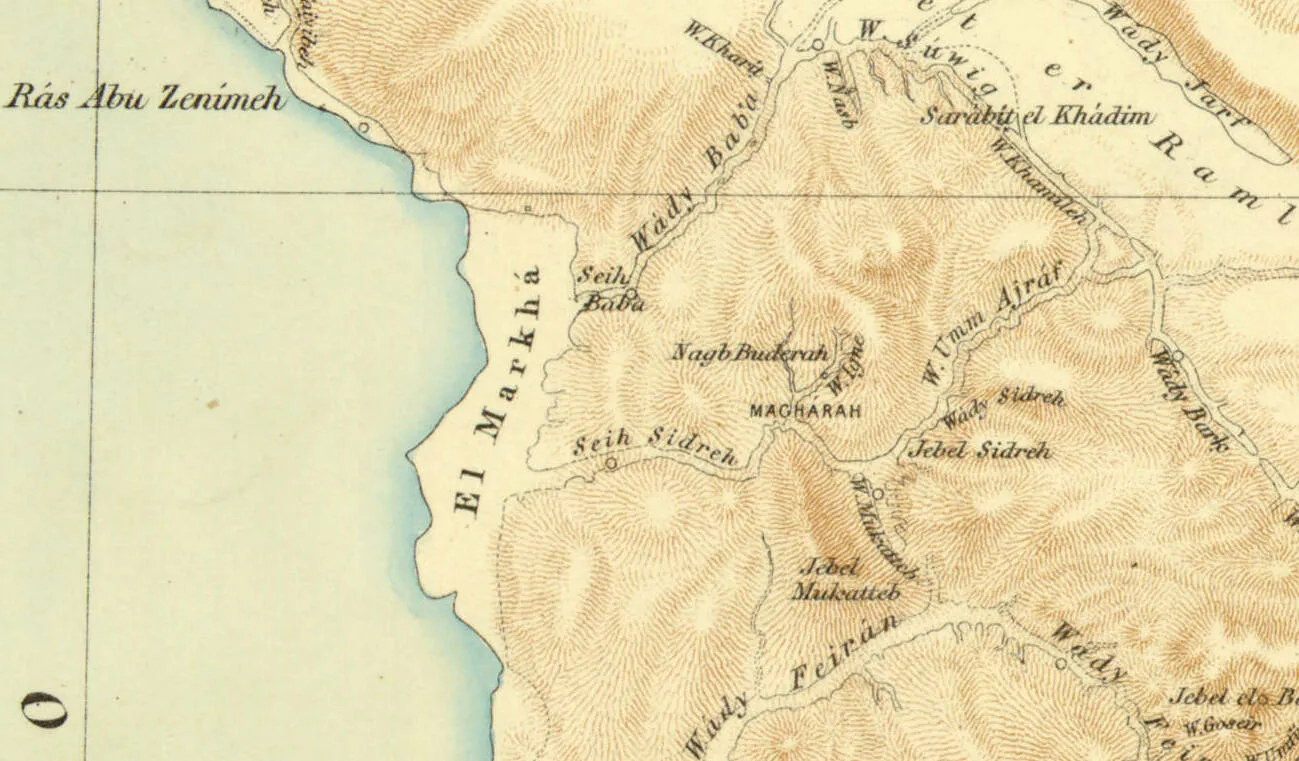
Ordnance Survey of the Peninsula of Sinai made with the sanction of the Right Hon: Sir John Pakington, Bart: Secretary of State for War, by Captains C.W. Wilson and H.S. Palmer under the direction of Major General Sir Henry James CC BY 4.0
There are a few inscriptions and inscribed objects from Egypt, the Sinai Peninsula, and the Levant, roughly dating to the middle of the second millennium BCE, that give us a glimpse into the earliest development of alphabetic scripts in the region. Taken together, it seems that the idea of alphabetic writing developed in Egypt in the mid-second millennium BCE.
This early alphabetic script, generally called Proto-Sinaitic, is based on the idea of using the symbols of the Egyptian hieroglyphs that represented a word, and using them instead only as the initial sound of that word. So, the symbol for the word bayt, which meant ‘house’ comes to represent b, for example.


Proto-Sinaitic gave rise to two alphabet families:
Within the South Semitic script family, we typically distinguish Ancient South Arabian and Ancient North Arabian. Ancient South Arabian is the script that was used throughout southwestern Arabia and served to write several languages such as Sabaic, Minaic, Hadramawtic, and Qabanitic. The term Ancient North Arabian refers to all South Semitic scripts that are not Ancient South Arabian and that are found mainly in central and northern Arabia. It is therefore a negative definition based on geographical criteria. The various Ancient North Arabian scripts do not share a common ancestor that sets them apart from Ancient South Arabian.
Northwest Semitic
gave rise to Phoenician, Aramaic, Hebrew, Nabataean, Arabic, Greek, and Latin. Nearly all alphabetic scripts used today descend from this branch.
South Semitic
used mostly in Arabia, including the Ancient South Arabian and Ancient North Arabian scripts. Only one script from this branch survives today, used in Ethiopia to write languages like Geʿez and Amharic.

Comparing scripts to each other
We do not know exactly how the Ancient North Arabian scripts relate to the Ancient South Arabian script, and how the Ancient North Arabian scripts relate to each other.
Unlike the Nabataean-to-Arabic transition, where dated intermediate examples allow us to trace this evolution step by step, no such intermediate evidence exists for the Ancient North Arabian scripts, leaving their development unclear.
The development of Dadanitic sin and Aramaic shin illustrates how easily one could go wrong when comparing letter shapes without understanding how they developed.
Dadanitic S




The Aramaic shin and Dadanitic sin end up with roughly identical shapes (A V-shape with an extra vertical line in the middle). For these letters, we know that they developed from very different ancestral forms because we have access to texts showing the intermediate stages of the development.
Old Aramaic S
Old Phoenician S


Imperial Aramaic S
However, if we only had the final forms, as is the case for most Ancient North Arabian scripts, one could have argued that they came from the same ancestral shape.
What is Thamudic?
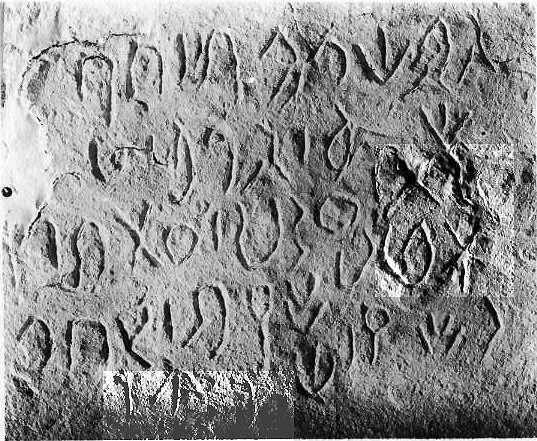
The term Thamudic refers to a group of Ancient North Arabian scripts that nineteenth-century scholars initially believed to represent chronological variants of a single alphabet used by the ancient Arab tribe of Thamūd, which is associated with al-Ḥijr in the Quran.
It also does not mean that these scripts have a chronological relationship, or that they are more closely related to each other than to any other Ancient North Arabian script varieties.
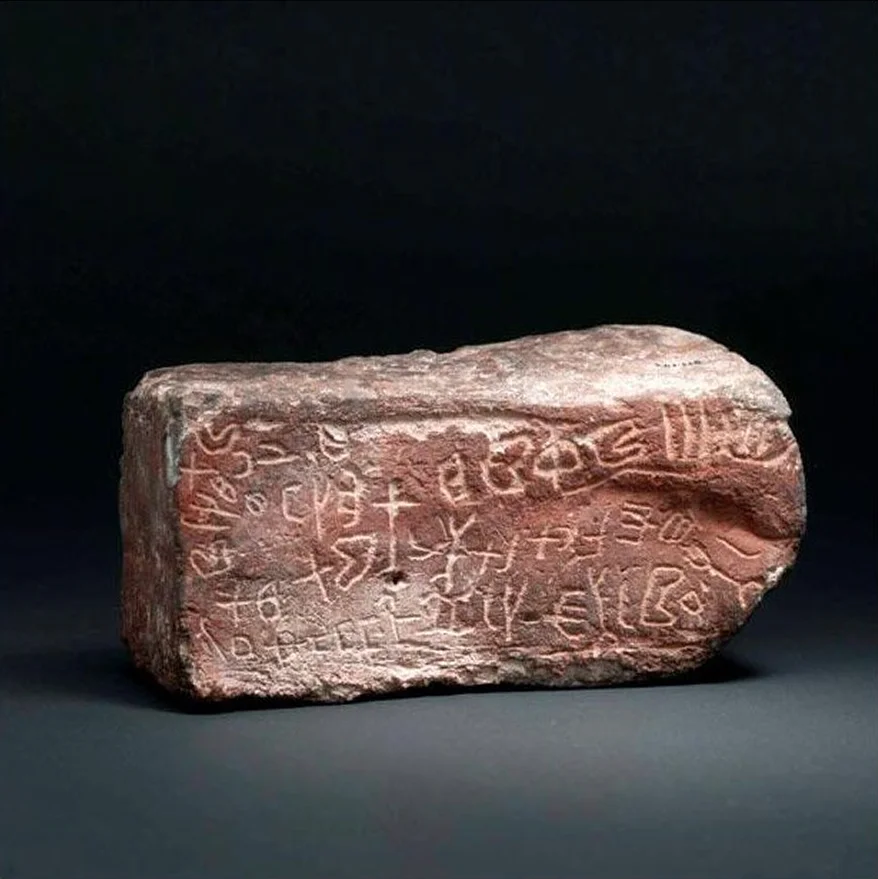
As understanding of the different scripts increased through study, several scripts that were initially part of this Thamudic holding group have been identified more clearly and given different names. A big step towards this was made by Prof. Winnett in 1937 who divided Thamudic into five groups: Thamudic A, B, C, D, and E. Later, he recognized that Thamudic A was a distinct script that was mostly found around the oasis of Tayma, so he labeled it Taymanite, now known as Taymanitic.
Similarly, following the work of Dr. Geraldine King, Thamudic E could also be taken out of the Thamudic group and was reclassified as Hismaic. So, as soon as these scripts were better understood, they could be recognized as distinct writing cultures showing that Thamudic was never a coherent group to begin with.
Stone inscribed in Thamudic script, Northern Arabia, Saudi Arabia. The ROM acquired this object from Fred Winnett in 1973. https://collections.rom.on.ca/en/objects/details/533107

Thamudic and chronology
Thamudic B is sometimes referred to as ‘early’ Thamudic, and Thamudic D as ‘late’ Thamudic. There is no evidence for the direct chronological link between these scripts that is suggested by this terminology.
The few Thamudic B texts for which we have some idea of when they were written are more than half a millennium earlier than the few dated Thamudic D inscriptions, so in that sense they could be called early. On the other hand, we have no clear evidence for when either of these writing traditions started or ended. More importantly, we have no evidence that one developed into the other. There is much that we do not understand about these scripts and the associated writing traditions yet, but based on what we know they are different scripts, with their own writing habits and formulae.